
Understanding the Value of Outdoor Living
Outdoor Living has become an important extension of the modern home. It allows people to enjoy fresh air, natural light, and open space while still experiencing comfort and style. Well planned outdoor areas support relaxation, social gatherings, and everyday activities. By treating exterior spaces with the same care as interiors, homeowners can create environments that improve lifestyle, wellbeing, and property appeal.
Designing a Functional Outdoor Layout
A successful outdoor space starts with a clear layout. Defining zones for seating, dining, and recreation helps improve usability. Walkways should allow easy movement while maintaining visual balance. The layout should respond to the size and shape of the yard or patio. Outdoor Living design focuses on making spaces practical without compromising openness or comfort.
Choosing Comfortable Outdoor Furniture
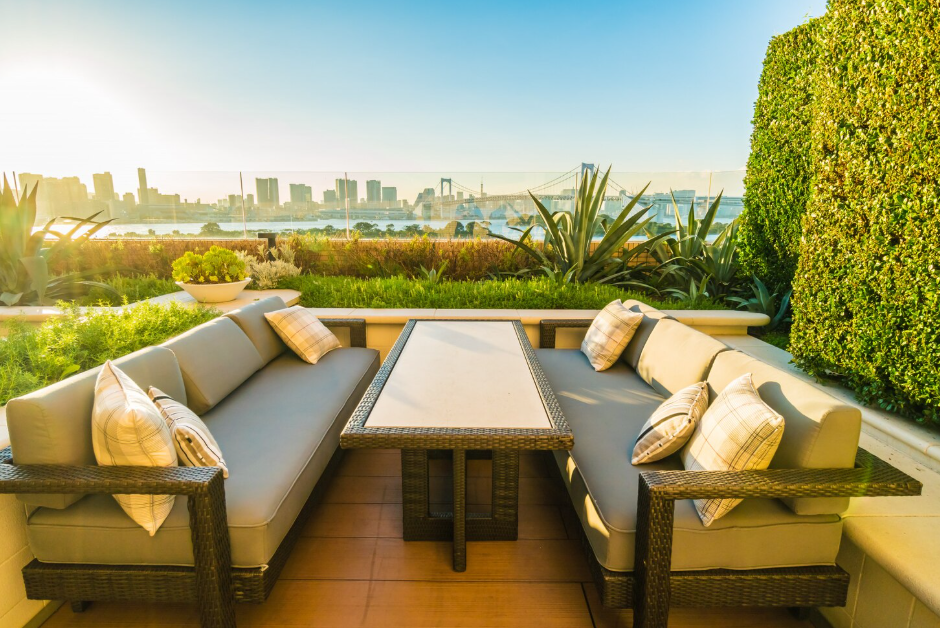
Furniture is central to creating inviting exterior areas. Weather resistant materials such as treated wood, metal, or synthetic fibers ensure durability. Seating should provide comfort through cushions and supportive designs. Tables and loungers must suit the intended use, whether for dining or relaxation. Outdoor Living benefits from furniture that blends functionality with visual appeal.
Creating Shade and Shelter
Protection from sun and rain increases the usability of outdoor spaces. Pergolas, umbrellas, awnings, and covered patios offer shade while adding structure. These elements allow outdoor areas to be enjoyed throughout the day and across seasons. Thoughtful shelter solutions enhance Outdoor Living by improving comfort and extending time spent outdoors.
Lighting for Evening Ambience
Lighting transforms exterior spaces after sunset. Soft ambient lighting creates a relaxing mood, while task lighting supports dining or cooking areas. String lights, lanterns, and ground fixtures add warmth and safety. Proper lighting highlights landscaping and architectural features. Outdoor Living design uses lighting to ensure spaces remain functional and welcoming at night.
Incorporating Nature and Greenery
Plants bring life and freshness to outdoor environments. Gardens, planters, and vertical greenery soften hard surfaces and create visual interest. Native plants require less maintenance and support local ecosystems. Water features add calming sound and movement. Outdoor Living thrives when natural elements are thoughtfully integrated into the design.
Outdoor Kitchens and Dining Areas
Cooking and dining outdoors enhance social experiences. Grills, counters, and storage create convenient cooking zones. Dining tables and seating encourage shared meals and gatherings. These features transform patios and yards into entertainment hubs. Outdoor Living spaces designed for dining promote connection and memorable moments.
Using Materials That Suit the Climate
Material selection affects durability and comfort. Stone, concrete, wood, and composite materials offer different textures and performance levels. Surfaces should handle local weather conditions while remaining safe and attractive. Outdoor Living design considers climate to ensure long lasting and low maintenance spaces.
Personal Touches and Decor
Accessories add personality and warmth. Outdoor rugs, cushions, artwork, and fire features create a cozy atmosphere. Decorative elements should complement the surrounding environment without overcrowding. Personal touches make spaces feel inviting and unique. Outdoor Living becomes more enjoyable when it reflects individual taste and lifestyle.
Creating Privacy and Comfort
Privacy enhances relaxation. Fences, screens, plants, and curtains help define boundaries and reduce noise. These elements create a sense of enclosure while maintaining openness. Comfortable and private environments support everyday use and relaxation. Outdoor Living benefits greatly from thoughtful privacy solutions.
Adapting Spaces for Year Round Use
Outdoor areas can be enjoyed beyond warm seasons. Heaters, fire pits, and weather resistant furnishings extend usability into cooler months. Flexible designs allow easy adjustments for changing conditions. Outdoor Living planning that considers seasonal use increases the overall value of exterior spaces.
Conclusion
Outdoor Living ideas transform yards and patios into relaxing retreats that support comfort, connection, and enjoyment. By focusing on layout, furniture, lighting, nature, and personal style, exterior spaces become functional extensions of the home. Thoughtful design ensures outdoor areas remain inviting throughout the year. With careful planning and creativity, outdoor environments can enhance daily life and create lasting moments of relaxation and togetherness.