

Understanding the Purpose of Renovation
Renovation is the process of improving an existing home to enhance comfort, functionality, and visual appeal. Homeowners often choose to update spaces to match changing lifestyles, modern standards, or personal preferences. Whether the goal is better usability or increased property value, thoughtful planning ensures that improvements meet long term needs while preserving the character of the home.
Planning Before Starting Any Work
Careful planning is the foundation of a successful project. It begins with identifying priorities such as space upgrades, structural repairs, or aesthetic changes. Setting a clear budget helps avoid unexpected costs and delays. Creating a realistic timeline allows work to progress smoothly without disrupting daily life. Proper planning ensures that Renovation efforts stay focused and organized from start to finish.
Assessing Structural and Functional Needs
Before cosmetic changes, it is important to evaluate structural elements. Plumbing, electrical systems, and foundations should be checked to ensure safety and efficiency. Addressing hidden issues early prevents costly repairs later. Functional upgrades such as improved layouts or storage solutions enhance everyday living. Renovation decisions based on function lead to spaces that work better and last longer.
Updating Kitchens and Bathrooms
Kitchens and bathrooms are often the most impactful areas to improve. Updated layouts, modern fixtures, and durable materials increase usability and appeal. Efficient storage, better lighting, and water saving fittings improve daily routines. These rooms also contribute significantly to resale value. A well planned Renovation in these spaces balances style with durability and practicality.
Enhancing Living Spaces
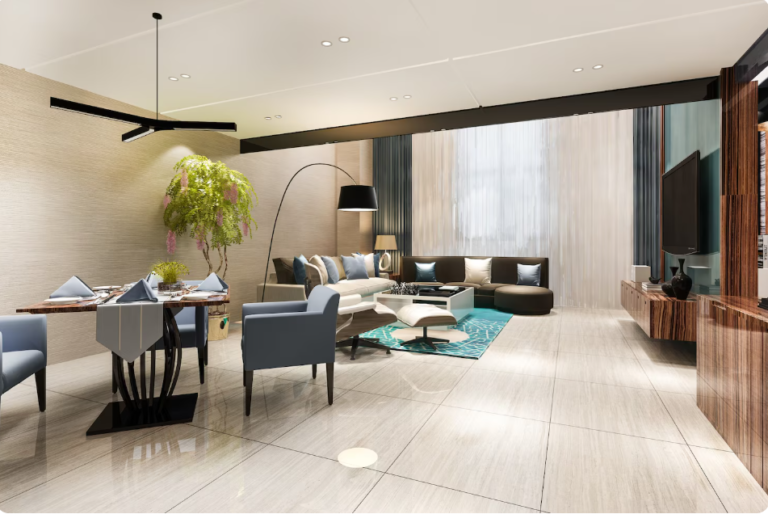
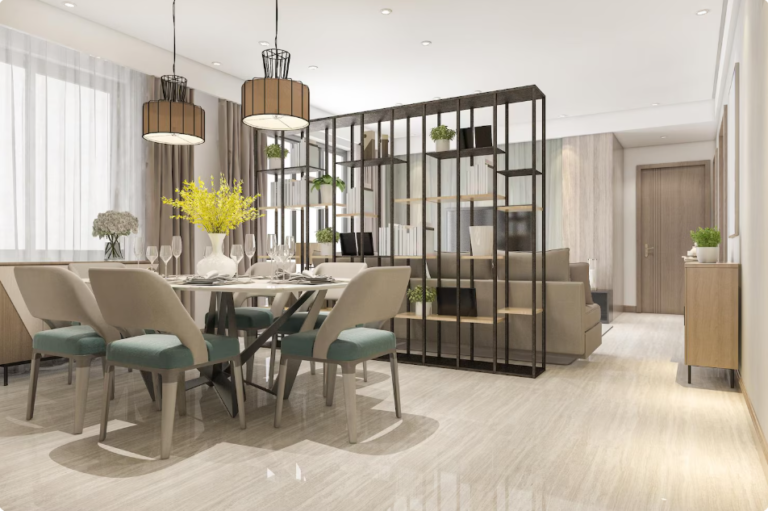
Living rooms, bedrooms, and common areas benefit from improved layouts and finishes. Open designs create better flow and natural light. Updated flooring, wall treatments, and lighting refresh the overall atmosphere. Comfort focused changes such as better insulation and sound control improve quality of life. Renovation of living spaces should reflect how occupants use and enjoy their home.
Choosing the Right Materials
Material selection affects both appearance and performance. Durable materials reduce maintenance and extend lifespan. Sustainable options such as recycled or energy efficient products support environmentally responsible choices. Finishes should suit the climate and usage of each space. Thoughtful material choices ensure that Renovation results remain attractive and functional over time.
Energy Efficiency Improvements
Energy efficient upgrades reduce utility costs and environmental impact. Improved insulation, energy saving windows, and efficient appliances support long term savings. Smart lighting and temperature control systems increase comfort and efficiency. Incorporating energy focused improvements during Renovation adds value while supporting sustainable living.
Managing Budget and Costs
Staying within budget requires careful monitoring of expenses. Allocating funds for unexpected issues prevents financial stress. Comparing material and labor costs helps make informed decisions. Investing in quality workmanship reduces future repair needs. Effective budgeting ensures that Renovation goals are achieved without compromising essential features.
Hiring Professionals Versus DIY
Deciding between professional services and do it yourself work depends on skill level and project complexity. Professionals offer expertise, safety, and efficiency for structural or technical tasks. DIY projects can be rewarding for smaller updates such as painting or minor installations. Choosing the right approach ensures that Renovation work meets quality and safety standards.
Maintaining Style Consistency
Consistency in design creates a cohesive look throughout the home. Colors, materials, and finishes should complement each other across rooms. Mixing styles without planning can result in visual imbalance. Maintaining a clear design theme ensures that Renovation upgrades feel intentional and harmonious.
Adapting to Lifestyle Changes
Homes should support changing needs over time. Flexible layouts, multipurpose rooms, and accessible features improve long term usability. Planning for future requirements reduces the need for frequent updates. Renovation that considers lifestyle changes adds lasting comfort and practicality.
Common Challenges and How to Overcome Them
Unexpected delays, budget adjustments, and design changes are common challenges. Clear communication with contractors and regular progress reviews help manage issues. Staying adaptable and informed supports smoother execution. Effective problem solving ensures that Renovation projects stay on track and meet expectations.
Conclusion
Renovation is a powerful way to upgrade homes for comfort and value. With careful planning, smart material choices, and a focus on functionality, existing spaces can be transformed effectively. Thoughtful improvements enhance daily living while increasing property appeal. When approached with clarity and purpose, Renovation delivers lasting benefits that improve both lifestyle and long term investment.